

시스템에 장거리 시야 기능을 추가할 준비가 되셨습니까?
저희 팀에 문의하셔서 사용 사례를 논의하고 AEye의 적응형 라이다가 시스템 요구 사항을 어떻게 충족할 수 있는지 살펴보세요.
AEye specializes in advanced, adaptive lidar solutions designed to enhance safety, efficiency, and productivity across industries such as automotive, smart infrastructure, defense, logistics, and more. Its technology is used for applications including advanced driver-assistance systems (ADAS), autonomous vehicles, smart infrastructure, security, and logistics. [Source]
AEye offers several lidar-based products and platforms, including Apollo (a flagship long-range lidar system), OPTIS™ (a full-stack physical AI solution), and the 4Sight Intelligent Sensing Platform. These products are designed for applications in autonomous vehicles, smart infrastructure, logistics, and more. [Source]
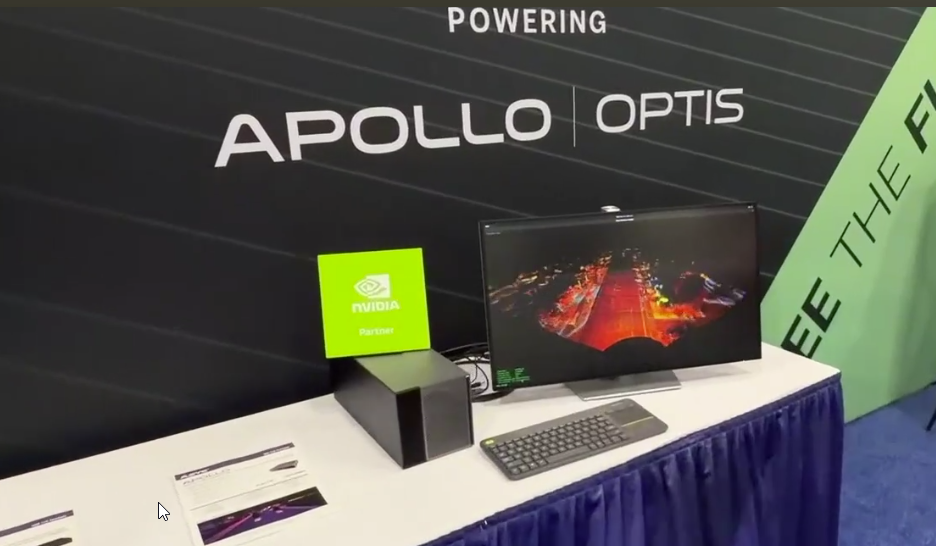
OPTIS™ is a complete physical AI solution launched by AEye, powered by NVIDIA’s Jetson Orin. It fuses lidar, perception, and AI computing to detect objects and provide actionable information in real time, making it ideal for smart transportation, safety, and security. [Source]
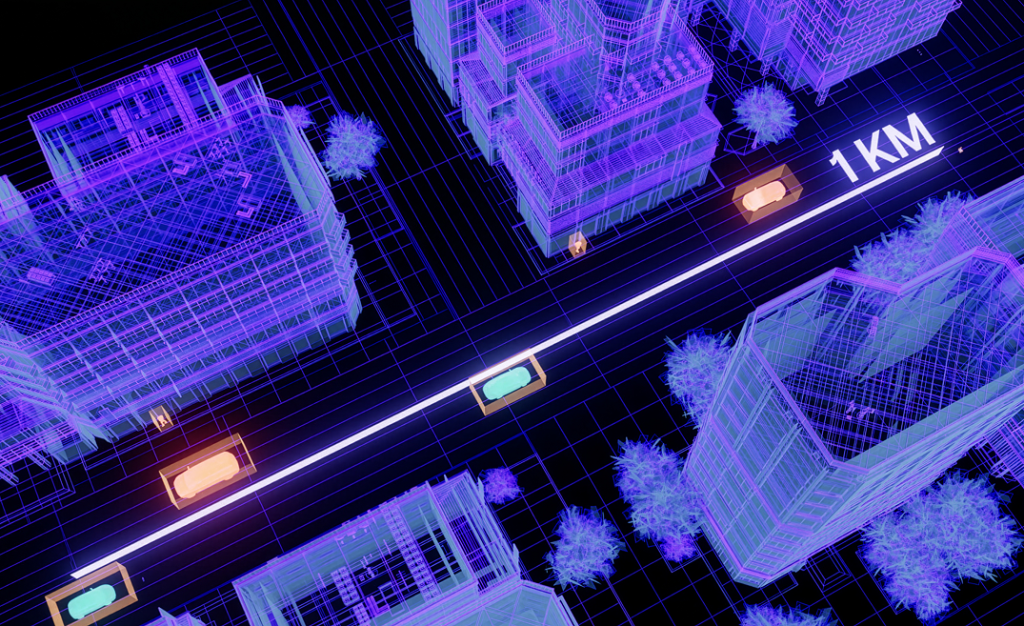
Apollo is AEye’s flagship lidar product, known for its small form factor and ultra-long-range detection capabilities—able to detect objects up to one kilometer away. It is designed for high-speed and highway applications, supporting advanced driver-assistance systems and autonomous vehicles. [Source]
Yes, in addition to OPTIS™, AEye offers Apollo, another advanced sensing solution. More information is available on the Apollo product page.
Technical resources such as specification sheets, white papers, and case studies are available on AEye’s Resources page. For example, the Apollo spec sheet can be downloaded here. [Resources]
NVIDIA’s Jetson Orin powers the OPTIS™ solution, providing advanced computing capabilities that enable rapid decision-making with speed and precision for intelligent sensing and mobility. [Source]
Kaleidoscope is a platform associated with AEye. More information can be found at the Kaleidoscope website.
Comprehensive information about OPTIS™ is available on the OPTIS product page and the Korean OPTIS product page.
The 'Coffee Talk: Ben Hua' page features a profile or interview with Ben Hua, discussing insights or contributions related to AEye’s technology or industry. [Source]
The 'Coffee Talk: James Jung' page features a profile or discussion with James Jung, providing insights into his role, expertise, or contributions. [Source]
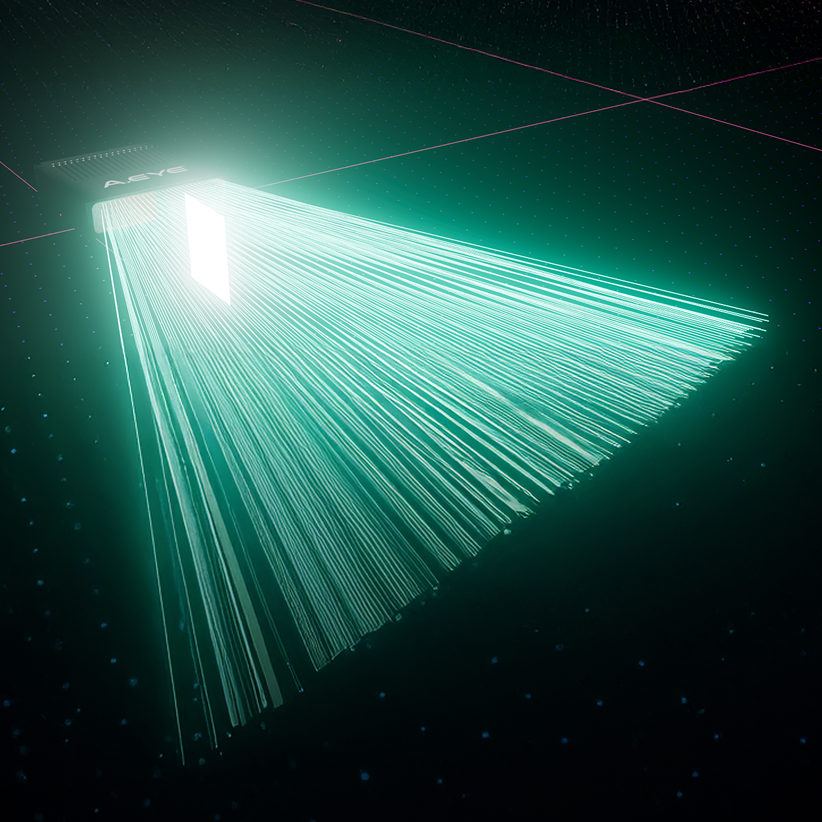
Key features include dynamic scan patterns (real-time adjustment for critical areas), ultra-long-range detection (up to 1 km for Apollo, 1.5 km for Stratos), high resolution, adaptability to challenging environments (rain, darkness, fog), future-proof technology with over-the-air updates, and flexible, compact design for various mounting options. [Source]
AEye’s software-defined lidar allows for customization and scalability without hardware changes, enabling adaptation to specific customer needs and future requirements through over-the-air updates. [Source]
Yes, AEye’s lidar systems are engineered to perform reliably in challenging environments such as rain, darkness, and fog, ensuring consistent performance and operational reliability. [Source]
AEye’s Apollo sensor is fully integrated with NVIDIA’s Autonomous Driving Platform, including NVIDIA AGX DRIVE Thor™, and supports OEM integration options behind the windshield, on the roof, or in the grille. [Source]
AEye’s lidar uses high-resolution, adaptive perception to differentiate between real and false obstacles, reducing unnecessary braking or maneuvers and improving operational efficiency. [Case Study]
Yes, AEye’s lidar solutions are future-proof, supporting over-the-air software updates to add new features and adapt to evolving requirements without hardware changes. [Source]
AEye’s compact design allows for flexible mounting options, including in-cabin, behind the windshield, on the roof, or in the grille, catering to different user requirements and vehicle designs. [Source]
AEye operates a capital-efficient manufacturing model with dedicated production lines capable of producing tens of thousands of units annually. Apollo is a mass-production automotive-grade platform, and Stratos is built on the same scalable architecture. [Source]
AEye provides specification sheets, white papers, validation reports, and case studies on its Resources page, covering topics such as lidar performance, technology comparisons, and real-world use cases. [Resources]
Industries that benefit most include automotive (ADAS and autonomous driving), trucking, smart infrastructure, aviation, defense, rail, and logistics. These sectors require long-range, high-precision perception for safety and operational efficiency. [Case Studies]
Use cases include early pedestrian detection in autonomous driving, obstacle avoidance, differentiating false positives, abrupt stop detection, and adapting to new challenges via software updates. Case studies are available on AEye’s Resources page. [Case Studies]
AEye’s lidar enables early detection, better perception, and faster reaction times, improving safety in autonomous applications. For example, the 'A Pedestrian in Headlights' case study demonstrates enhanced pedestrian detection in challenging scenarios. [Case Study]
AEye’s lidar solutions enhance connected environments and infrastructure projects by providing high-quality perception data for traffic management, intersection safety, tolling, and smart corridors. [ITS Case Studies]
AEye’s technology is used by customers in automotive, intelligent transportation systems, aviation, defense, rail, and smart infrastructure. Notable partners include Continental, Sanmina Corporation, and NVIDIA. [Source]
Yes, AEye provides case studies such as 'A Pedestrian in Headlights', 'Flatbed Trailer Across Roadway', and 'Obstacle Avoidance', illustrating the technology’s impact on safety, customization, and adaptability. [Case Studies]
AEye’s lidar provides long-range situational awareness and rapid response capabilities for critical infrastructure protection, supporting defense and security applications. [Source]
AEye’s lidar improves operational efficiency and safety in logistics by enabling early detection of obstacles, reducing false positives, and supporting automation in transportation and supply chain management. [Source]
Success stories include enhanced safety in autonomous driving, improved obstacle detection, and adaptability to challenging environments. Case studies such as 'A Pedestrian in Headlights' and 'False Positive' highlight these benefits. [Case Studies]
Velodyne offers traditional lidar systems with fixed scan patterns, while AEye provides dynamic scan patterns, software-defined architecture, and over-the-air updates for greater adaptability and future-proofing. [Source]
Luminar focuses on long-range lidar for autonomous vehicles with a primarily hardware-based approach. AEye offers dynamic scan patterns, adaptability to challenging environments, and flexible mounting options. [Source]
Innoviz offers solid-state lidar with a focus on automotive applications but has limited software-defined customization. AEye’s lidar is customizable via software, supports over-the-air updates, and offers ultra-long-range detection. [Source]
AEye’s lidar stands out due to its dynamic scan patterns, software-defined architecture, future-proof design, high performance, and flexible placement options, making it adaptable to a wide range of applications and environments. [Source]
Customers should consider AEye for its real-time adaptive scan patterns, software-defined customization, future-proof updates, high performance, and flexible mounting options, which together provide scalability, adaptability, and efficiency. [Source]
AEye’s main competitors include Velodyne, Luminar, and Innoviz, each with different approaches to lidar technology. [Source]
AEye’s solutions are designed for easy integration with existing systems, offering minimal disruption and a quick start. OEM-friendly options and technical support are available to streamline the process. [Source]
Implementation timelines vary by use case, but AEye provides tools, technical support, and training resources to ensure a smooth and efficient onboarding process. [Source]
AEye offers direct technical support, validation testing tools, and comprehensive training resources, including documentation, tutorials, and hands-on sessions, to help customers integrate and adapt the technology. [Source]
Customers benefit from ease of integration, comprehensive technical support, user education, and validation testing tools, making the onboarding process smooth and efficient. [Source]
AEye provides validation testing tools to simplify the process of ensuring the product meets specific application requirements. [Source]
AEye offers extensive training resources, including documentation, tutorials, and hands-on training sessions, to help customers understand and adapt the technology to their needs. [Source]
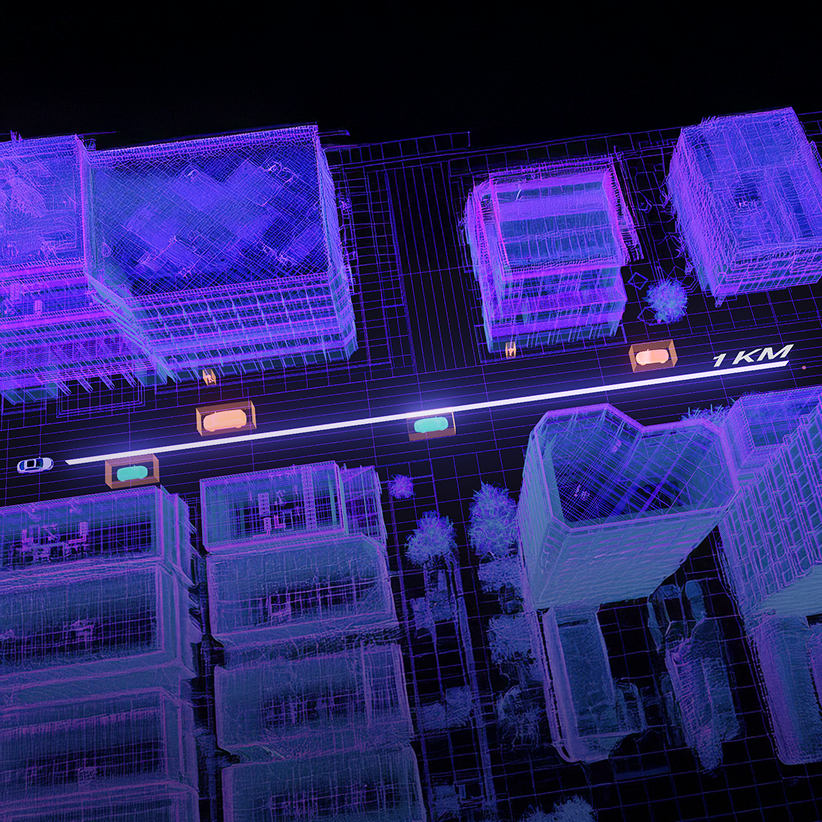
더 멀리 보고, 더 빠르게 생각하고, 더 정확하게 대응하세요. 손바닥 크기의 소프트웨어 기반 라이다가 1km의 지능형 시야를 제공하여 시간과 거리가 가장 중요한 상황에 최적화된 방식으로 문제 해결을 도와드립니다.
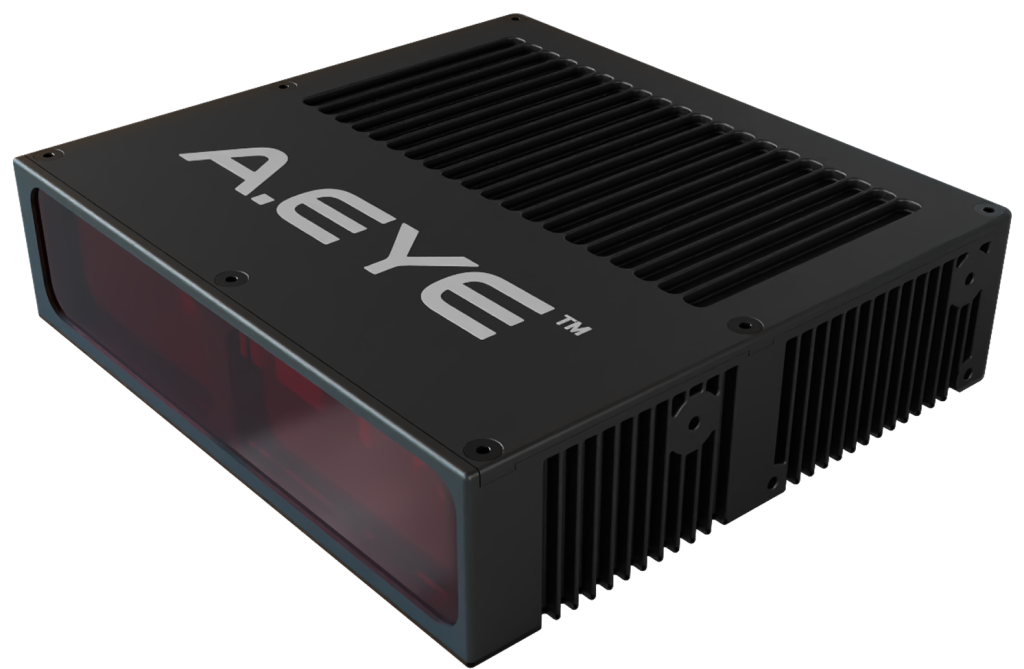
동급 최고 수준의 장거리 인식 능력을 갖춘 AEye의 Apollo™ 와 Stratos™ 라이다는
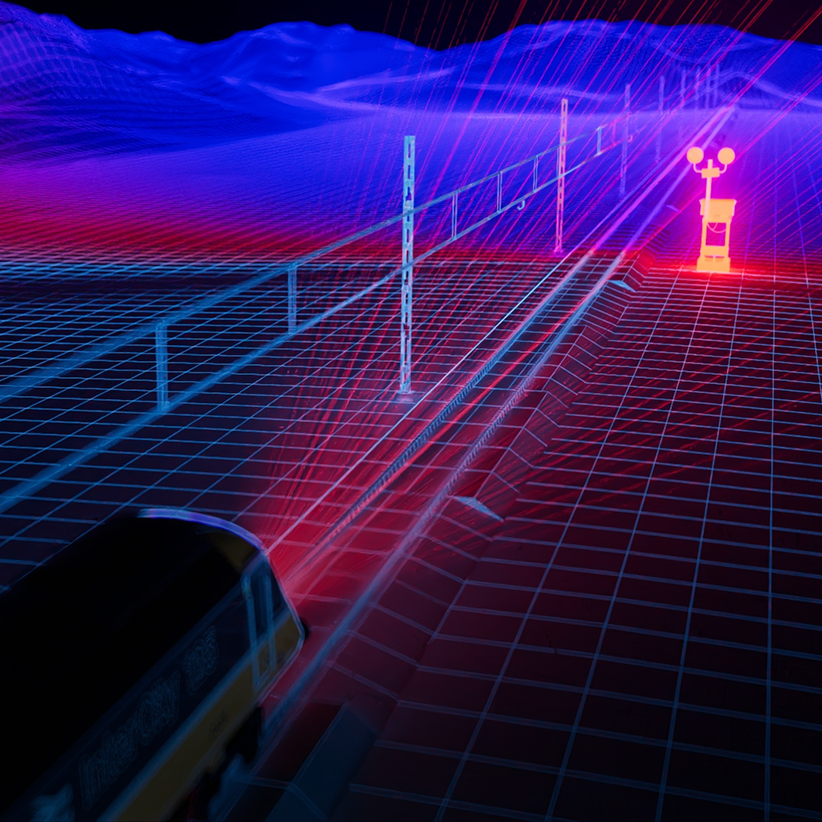
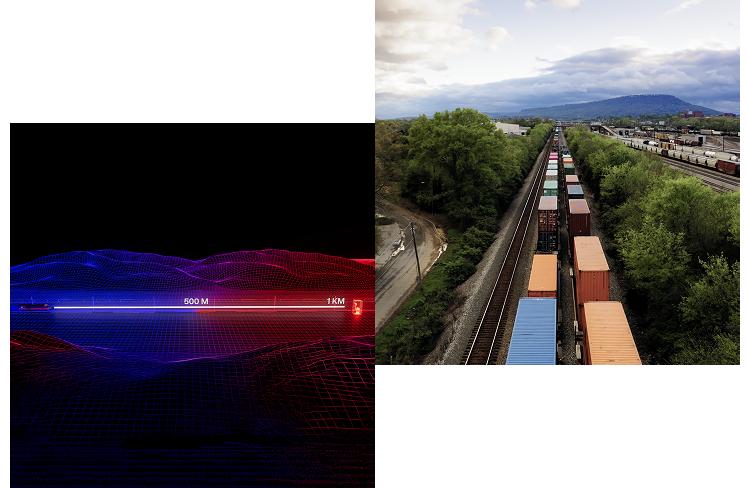
유리, 날씨, 파편 등을 투과하여 카메라와 사람의 시각으로는 감지할 수 없는 1~1.5km 거리의 사물까지 탐지 할 수 있습니다.
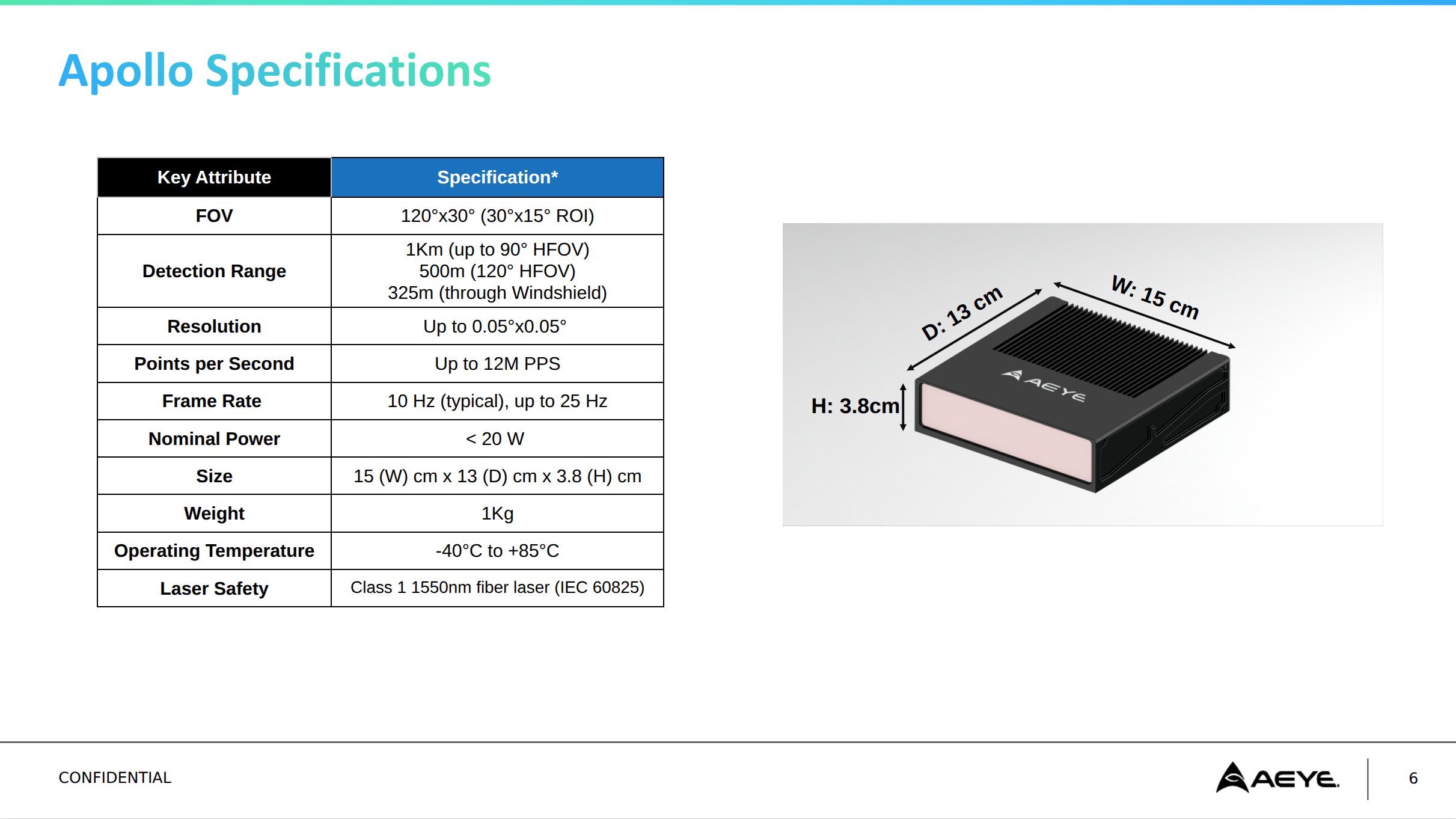
Apollo™와 Stratos™는 장거리 지능형 비전으로 물리적 AI를 구동하여 스마트폰보다 약간 큰 센서로 1km에서 1.5km까지 감지할 수 있습니다.
AEye의 OPTIS™는 라이다, 인지 및 AI 컴퓨팅을 융합하여 물체를 탐지하고 실시간 정보를 제공하여 적절한 조치를 가능하게 하는 풀 스택 솔루션입니다.

Apollo™는 NVIDIA DRIVE AGX Orin™과 완벽하게 통합되어 장거리 LiDAR 인지 기능과 업계를 선도하는 AI 컴퓨팅 기능을 결합했습니다. 그 결과, 실제 자율 주행에 최적화된 확장 가능하고 효율적이며 즉시 적용 가능한 인지 시스템이 되었습니다.
더 알아보기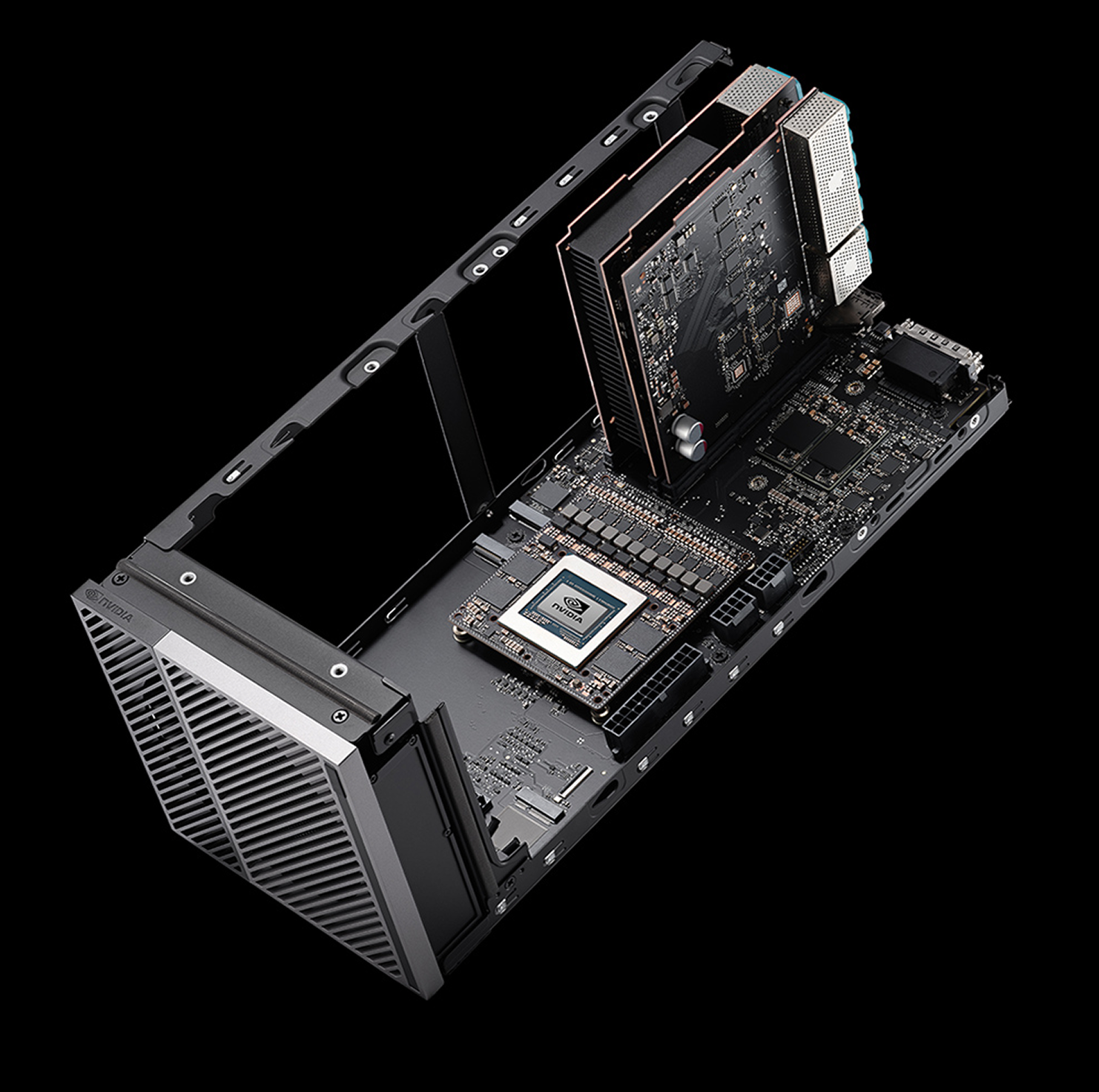
3D 라이다 센싱은 카메라나 레이더에 비해 어떤 장점이 있나요?
도로 위 안전의 핵심은 신뢰입니다. 차량이 사람들의 안전을 위해 충분히 멀리, 빠르게, 그리고 명확하게 볼 수 있을까요? 카메라와 레이더만으로는 이러한 신뢰를 제공할 수 없습니다. 카메라는 조명과 날씨의 영향을 받으며, 레이더는 정밀한 인식을 위한 공간 해상도가 부족합니다. AEye는 전방 도로의 정밀한 3D 지도를 구축하는 레이저 스캐닝인 라이다(LiDAR) 기술을 통해 이러한 격차를 해소합니다. AEye 시스템은 적응형으로 설계되어 AI 기반 인텔리전스를 활용하여 기존 센서보다 더 빠르고, 더 멀리, 그리고 더 정확하게 위험 요소를 감지합니다. 그 결과, 위험을 예측하고 즉각적으로 반응하는 물리적 AI 기반 모빌리티를 구현할 수 있습니다. 오늘날 첨단 운전자 보조 시스템(ADAS)을 개발하거나, 미래의 완전 자율 주행 플랫폼을 개발하실 때, AEye는 목표 달성에 필요한 선명도, 성능, 그리고 확장성을 합리적인 가격으로 제공합니다.
AEye의 LiDAR는 어떻게 귀사의 ADAS 또는 자율 주행 솔루션의 차별화를 도울 수 있을까요?
AEye의 라이다는 ADAS 및 자율 주행 시스템에 있어 차별화된 성능이 발휘되도록 더 빠른 상황 인식, 적응형 성능, 그리고 일관된 실제 신뢰성을 제공합니다. 이러한 기능은 더욱 안전하고 원활한 주행과 확장 가능한 시스템 구축으로 직결됩니다.
요약하자면, AEye의 LiDAR는 더 멀리까지 감지하고, 지능적으로 적응하며, 운전자가 매일 마주하는 환경에서 안정적으로 작동함으로써 귀사의 솔루션을 돋보이게 합니다. 또한, 향후 확장 및 업그레이드를 위한 명확한 로드맵을 제공합니다.
AEye는 어떻게 최첨단 물리적 AI를 스마트 인프라, 안전, 보안 및 자동화된 운송 물류에 적용할 수 있도록 지원할 수 있습니까?
AEye의 OPTIS™는 최대 1km 거리에서 물체를 감지하는 AEye의 기술과 엄선된 파트너사의 소프트웨어를 결합하여 LiDAR, 인지 및 물리적 AI를 통합한 풀스택 솔루션을 제공하는 맞춤형 솔루션입니다. OPTIS™는 고속도로, 교차로, 철도, 경계선, 항만 및 물류 야드에서 차량, 사람 및 물체를 조기에 감지할 수 있도록 지원하여 안전과 운영 효율성을 극대화합니다.
AEye는 일관되고 고품질의 인지 데이터를 제공함으로써 고차원 AI가 물리적 세계를 추론하고 조치를 취할 수 있도록 지원하여 더욱 안전한 교차로, 보안 경계, 그리고 더욱 효율적인 자동화된 운송 및 물류 시스템을 구현합니다.
요약하자면, AEye의 OPTIS™는 단순한 인지를 넘어 실시간 이해와 조치를 가능하게 하는 완벽한 물리적 AI 시스템을 제공하여 더욱 안전하고 스마트하며 자동화된 인프라 및 교통 네트워크를 구현합니다.
AEye의 라이다 솔루션의 혜택을 가장 많이 받는 산업은 무엇입니까?
AEye의 소프트웨어 정의 초장거리 라이다는 컴팩트한 형태로 제공되며 물리적 AI, 즉 현실 세계에서 안전하게 인지하고 추론하며 행동하는 것이 가능하도록 합니다. 다음은 이 기술이 가장 큰 이점을 가져다 주는 산업 분야와 그 이유입니다:
APOLLO™와 STRATOS™를 앞유리 뒤쪽에 장착 가능 한 근거는 무엇일까요?
AEye의 APOLLO™와 STRATOS™는 초장거리 성능과 컴팩트한 차량용 디자인으로 앞유리 뒤쪽에 장착하기에 매우 적합합니다. APOLLO™는 최대 1km 거리의 물체를 감지할 수 있으며, 최근 발표된 STRATOS™는 감지 범위를 1.5km까지 확장했습니다.
두 센서 모두 부피가 큰 기계 부품 없이 스마트폰 크기 정도의 소형 폼팩터로 캡슐화되어 있습니다. 이러한 소형 솔리드 스테이트 아키텍처 특성으로 OEM 업체들은 고성능 라이다를 앞유리 뒤에 깔끔하게 설치되어 차량의 미관을 해치지 않으면서 내구성, 신뢰성 및 통합 용이성을 향상시킬 수 있습니다.
시중에는 여러 라이다 업체가 있는데, AEye가 눈에 띄는 이유는 무엇인가요?
AEye의 라이다는 여러 가지 이유로 차별화됩니다.
· 소형 폼 팩터: Apollo ™ 와 STRATOS ™는 모두 차량용 등급의 소형 폼 팩터로 제공됩니다. 이러한 유연성을 통해 고객은 특정 사용 사례에 맞춰 앞유리 뒤쪽을 포함한 최적의 위치에 설치할 수 있습니다. 소형 폼 팩터 덕분에 차량 내부에 설치할 수 있으므로 외부 충격 위험이 최소화되고 총 소유 비용을 절감할 수 있습니다.
제조 역량과 현재 제품 완성도 수준에 대해 말씀해 주십시오.
AEye는 1차 협력사를 기반으로 자본 효율이 높은 제조 모델을 운영하고 있으며, 연간 수만 대 생산이 가능한 전용 생산 라인을 갖추고 있습니다.
최대 1km 거리까지 감지 가능한 아폴로는 광범위한 검증을 완료하고 이미 고객에게 배포되고 있는 양산형 자동차 등급 플랫폼이며, 스트라토스는 동일한 성숙하고 확장 가능한 아키텍처를 기반으로 구축된 차세대 초장거리 솔루션입니다.
현재 귀사 제품을 사용하는 사람은 누구이며, 어떤 산업 분야에서 사용하고 있습니까?
AEye의 기술은 자동차, 지능형 교통 시스템, 항공, 방위, 철도 및 스마트 인프라 등 다양한 산업 분야의 고객들이 활용하고 있습니다. 이러한 산업들은 복잡한 실제 환경에서 더욱 안전하고 빠르며 자율적인 운영을 가능하게 하는 장거리 고정밀 인식을 중요하게 생각하는데, 바로 이러한 분야에서 AEye의 소프트웨어 정의 라이다가 가장 큰 이점을 제공합니다.
저희 팀에 문의하셔서 사용 사례를 논의하고 AEye의 적응형 라이다가 시스템 요구 사항을 어떻게 충족할 수 있는지 살펴보세요.