How it works
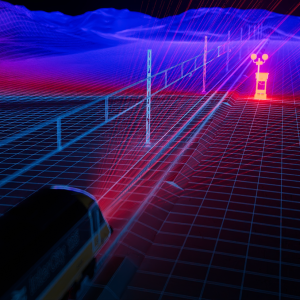
Apollo™ sees through the windshield to detect hazards and improve driving decisions
Apollo™ delivers long-range, adaptive perception that enables machines to understand what’s ahead and respond with precision.
Apollo™ sees through the windshield to detect hazards and improve driving decisions
Camera vs lidar comparisons
Apollo™ sees what cameras can’t, even in poor visibility conditions:


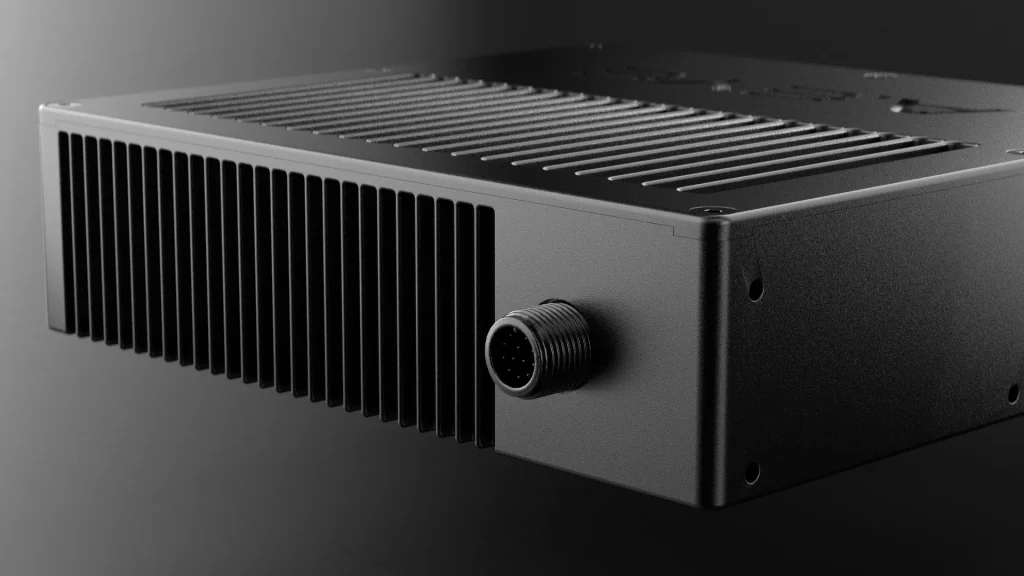

Apollo runs on NVIDIA's DRIVE AGX compute platform, bringing automotive-grade AI processing power to smart infrastructure, transportation, and beyond.
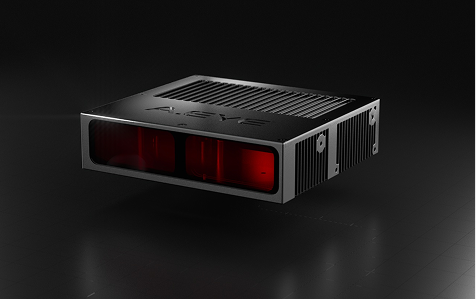
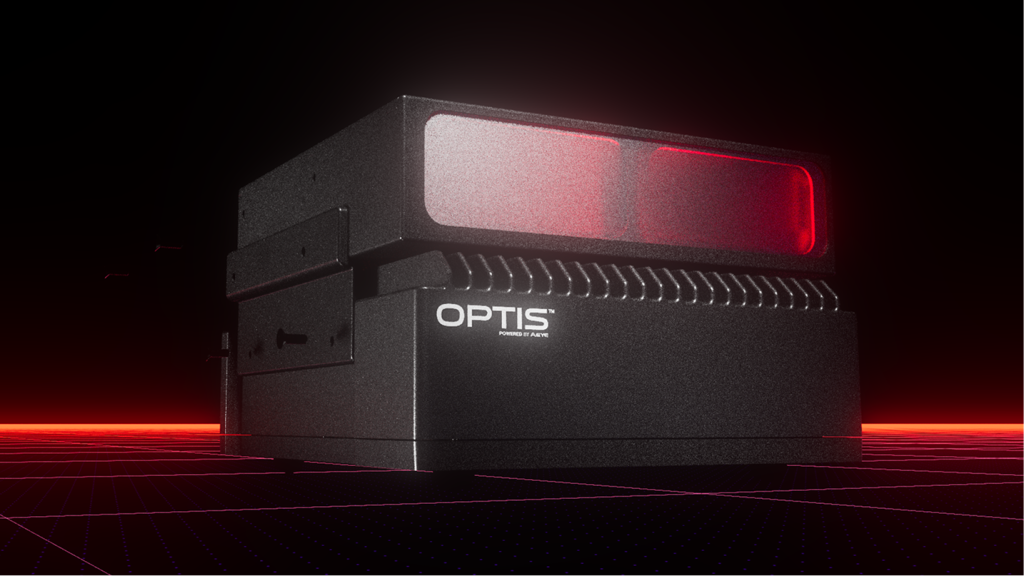
OPTIS™ Intergration
|
|
 |
|
|---|---|---|
| Perception Distance | Up to 1 km detection | Up to 1.5 km detection |
| Maximum field of view | Up to 120° | Up to 30° |
| Angular resolution | 0.05° x 0.05° | 0.02° x 0.03° |
| Point cloud density | 6.4 M pts/sec | 1.5 M pts/sec |
| Dimensions | 3.8 (H) x 15 (W) x 13 (D) cm | 3.8 (H) x 12.5 (W) x 16 (D) cm |
| Key use cases | Automotive, Mobility, Intelligent Infrastructure | Trucking, Rail, Defense |
What is Apollo™?
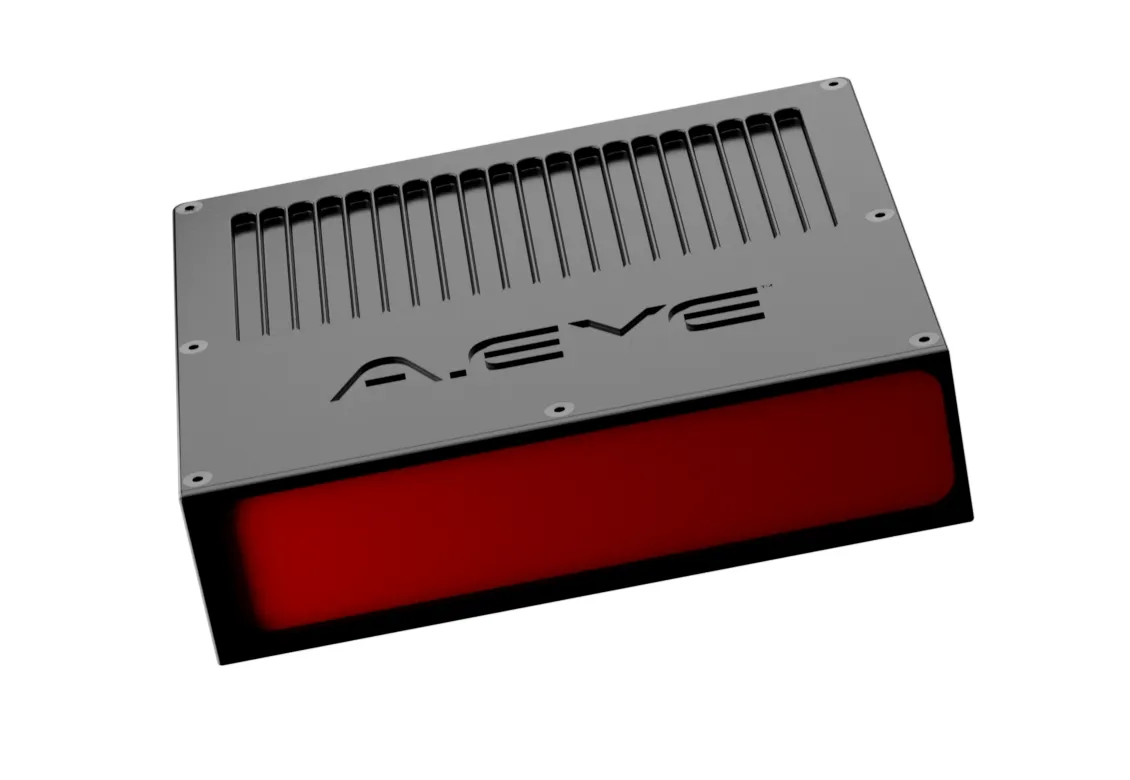
Apollo™ is AEye’s software-defined lidar platform, designed to provide long-range, real-time 3–D perception for automotive, intelligent transportation, defense, logistics, rail, and other Physical AI applications. Apollo™ can detect objects at distances of up to one kilometer while maintaining a compact form factor suitable for behind-the-windshield integration.
How does Apollo™ support Physical AI?
Physical AI systems require accurate real-time understanding of the world around them. Apollo™ provides the long-range 3D perception that enables machines to perceive, understand, and respond to real-world environments, serving as a foundational sensing layer for Physical AI applications.
How does a ‘software-defined’ lidar like Apollo™ adapt to different environments without hardware changes?
Apollo™, as a software-defined lidar, can be adapted to your use case by our team entirely through software configuration—no hardware swaps needed. Its scan patterns, range, resolution, and field of view can be optimized via software updates, allowing you to tailor sensing parameters for specific conditions like urban intersections, highways, or adverse weather.
This flexibility means Apollo™ can switch between scan patterns for various operational design domains (ODDs), experiment with configurations, and deploy updates over-the-air. The result: rapid adaptation to new requirements, enhanced safety, and future-proofing without the cost or downtime of hardware changes.
Is Apollo™ compatible with NVIDIA platforms?
Yes. Apollo™ is validated as a part of NVIDIA Drive AGX Orin™ and has also successfully demonstrated Apollo ™ running on NVIDIA Drive AGX Thor™. AEye also joined the NVIDIA Halos AI Systems Inspections Lab in 2026, underscoring their commitment to delivering safety-certified, high-performance perception technology to automotive, transportation, and intelligent infrastructure applications
What industries can Apollo™ be used for?
AEye’s Apollo™ sensors can provide valuable data in any situation where vision or object detection is necessary. Some examples include the following industries:
Apollo™ sees what cameras can’t, even in poor visibility conditions:

Connect with our team to discuss your use case and explore how AEye’s adaptive lidar can meet your system needs.