

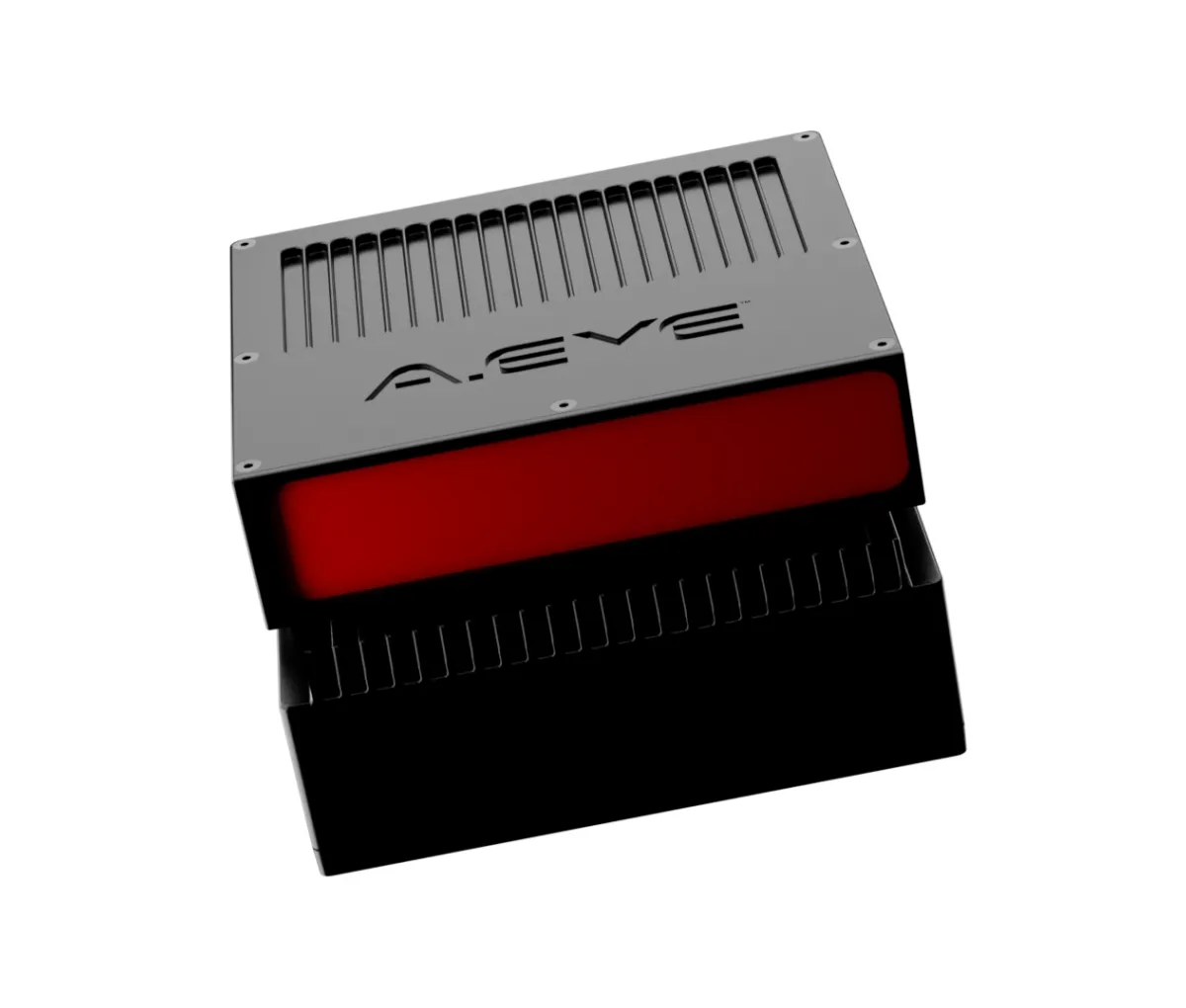
OPTIS™ in action
See how OPTIS™ transforms raw lidar data into actionable intelligence across real-world environments.
OPTIS™ is AEye's brain behind the sensor. Combining APOLLO lidar, advanced software, and AI-powered compute, OPTIS helps machines detect, understand, and respond to the physical world in real time.
See how OPTIS™ transforms raw lidar data into actionable intelligence across real-world environments.
Smart Infrastructure

OPTIS™ + Apollo™: Better together

What is OPTIS™?
While Apollo™ provides the vision component, OPTIS™ is AEye’s complete physical AI solution. OPTIS™ provides high-resolution 3-D perception, integrated sensing and advanced computing suitable for a wide variety of applications, including Smart Transportation, Safety, and Security. What does this really mean? OPTIS™ can see objects, classify them and trigger a resulting action – like triggering a tolling camera or changing the traffic signal.
What industries benefit the most from OPTIS‘™ capabilities?
OPTIS™, AEye’s complete physical AI solution, delivers high-performance 3D perception and real-time intelligence for a wide range of industries. Some of these industries include:
How is OPTIS™ different from a traditional lidar sensor?
Traditional lidar sensors provide raw perception data. OPTIS™ goes beyond detection by combining sensing, perception, and AI-powered decision support into a complete solution. Rather than simply identifying objects, OPTIS™ helps interpret what is happening and enables real-time responses.
Do I need to use Apollo™ with OPTIS™?
Yes, you do need to use Apollo™ with OPTIS™. Deployments pair OPTIS™ with Apollo ™ lidar sensors, forming a complete system for high-resolution 3D perception and real-time interpretation. This integration is essential: OPTIS™ leverages Apollo’s long-range, software-defined lidar to deliver advanced detection, decision-making, and responsive action for applications like intelligent transportation, logistics, and security. Contact our team to discuss architecture and integration options for your environment.
What is physical AI?
Physical AI refers to artificial intelligence systems that can perceive, understand, and interact with the real world. Unlike traditional AI, which operates primarily on digital information, Physical AI relies on real-time sensor data to make decisions and take action in physical environments.
Connect with our team to explore how OPTIS™ can power your next deployment.